


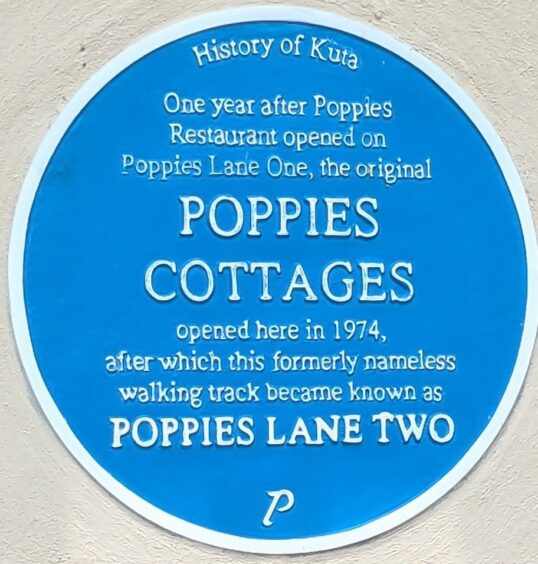
When I think of Bali, it’s as I remember Kuta Beach the first time I saw it in the 1970s. I fell in love with the gorgeous sweep of beach dotted with a few surfers and sunbathers. Accompanying my mother, we dined on turtle sate and frog legs from vendors bent over tiny hibachi grills. The family we stayed with brought thick slices of grilled toast, incredibly sweet bananas, and island-grown coffee for our breakfast every morning. At night they lit gas lanterns to illuminate the gravel path to our simple rooms under the palm trees. An excursion involved walking ten minutes on a dirt footpath to Poppie’s for thick lassi and thin crepe-like banana pancakes. Or Made’s Warung for jaffles (toasted sandwiches) made with a Dutch jaffle iron. Today, there’s a blue plaque on an abandoned building on the paved Poppie’s Lane to commemorate the old times.

I’ve been visiting Bali regularly since 1976, when my parents moved to Jakarta. My father’s work contract kept getting extended until they had been there a decade. I spent many happy summers there, back when Bali was decidedly undeveloped. Kuta was a small collection of family-run losmen (guesthouses), electricity could be found only at the airport, and tourism had increased to 30,000 visitors annually, causing much handwringing among Australian surfers.
“Bali is ruined,” they said back then.

In 2011, I noted in an article that there were 2.5 million visitors annually. I could see the difference. The development of Legian, which used to be just a small village of locals, had begun. Canggu wasn’t even a familiar name, being a small farming community before it exploded into an expat enclave.
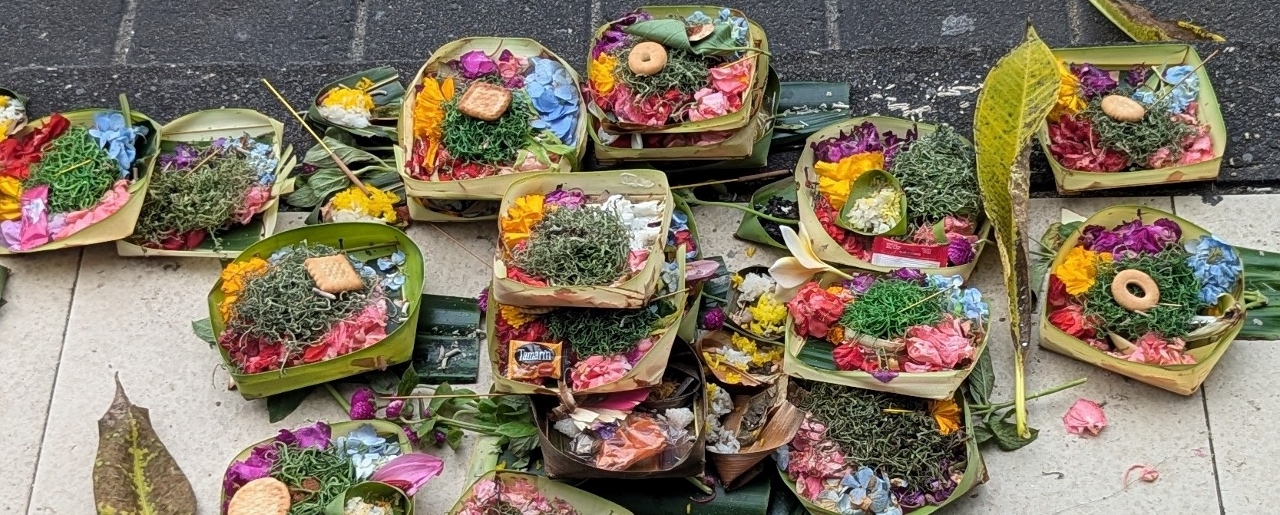
There’s no denying the enormous changes in Bali, now that 6.9 million international visitors pass through (that number increases to 16 million if you count domestic tourists). I refuse to succumb to the impulse to decry and bemoan the loss of what was. Instead, I prefer to focus on the parts that are still magical: the sounds of the gamelan, the joyous kindness of the Balinese, the touching handmade offerings put out each day. And there’s still the gorgeous sweep of beach that attracts locals and tourists to watch the sun sink into the horizon every evening.
It’s easy to lament the negative effects—more traffic, more noise, more garbage. But smaller moments showed me how life is better for Indonesian citizens. There was the taxi driver who spoke proudly of his daughter attending interior design school at Udayana University in Bali. The hotel manager in Raja Ampat and our tour guide in Flores, who both attended the university, demonstrated that Bali has become a regional force in educating and improving the lives of Indonesians.
My current Bali strategy is to pick one place and stay there. Legian is my favorite location because there are hotels where I can walk to the beach. I can also stroll to a multitude of restaurants or take a 10-minute Grab taxi if I want to widen my reach.
Because of the poor condition of overused roads and relentless traffic gridlock, I limit my time in vehicles. I understand many visitors want to see more of Bali. I can suggest a couple of day trips and multi-day itineraries that will accomplish this without cramming too much into a day.
Recently, we looped through Bali twice on a month-long trip to the archipelago. It provided a beach break between two overland segments on Java and Flores.
I made the mistake of taking my husband, Steve, and best friend, Cindy, to three locations on the Bukit Peninsula on the south coast of Bali. It left us exhausted. We departed from tiny, overcrowded Padang Padang Beach after ten minutes. Melasti Beach featured rough water, prickly coral, and a lot of people paying for a beach club scene. Uluwatu Temple still impressed me (see below), but the drive back was a grind.
Read more about Indonesia itinerary planning in my guide to the islands.
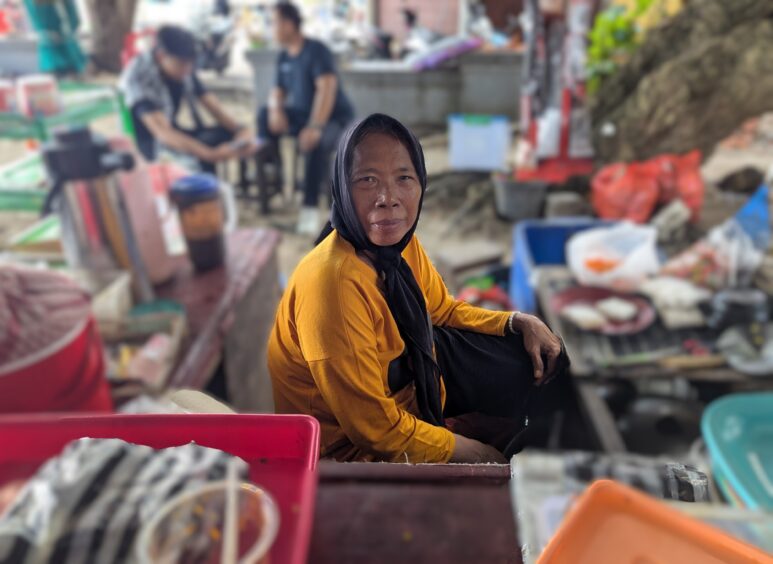
On our next visit, we happily let ourselves get absorbed into the mellow Legian beach scene, got to know the local vendors and swapped stories about the old days. We ate the most delicious nasi campur made fresh every day by a woman with shy smile (for less than one US dollar) and didn’t try to go anywhere.
Kuta Beach occupies a huge chunk of my happy memories, but the beach itself has changed. The biggest change resulted from the extension of the runway in Denpasar to accommodate large jets in 1968. This permanent barrier altered coastal currents which led to erosion. It didn’t happen right away, but by the 1980s and 1990s, the damage was visible. The glory of Kuta Beach is but a memory. Sandbags, narrow strips of shoreline, and various replenishment projects are left behind.
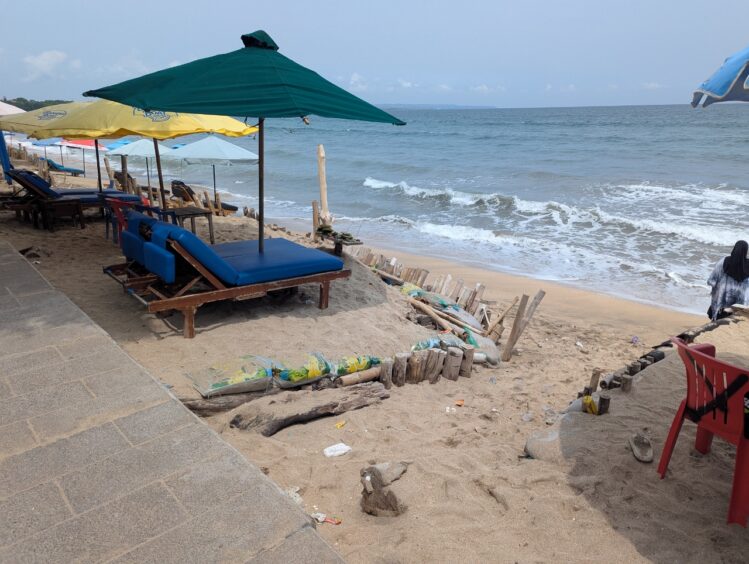
One major addition is the Beachwalk Shopping Center, which is convenient for any travel needs (including a large pharmacy and supermarket) as well as the usual global brands that appeal to shoppers, such as Zara and H&M.
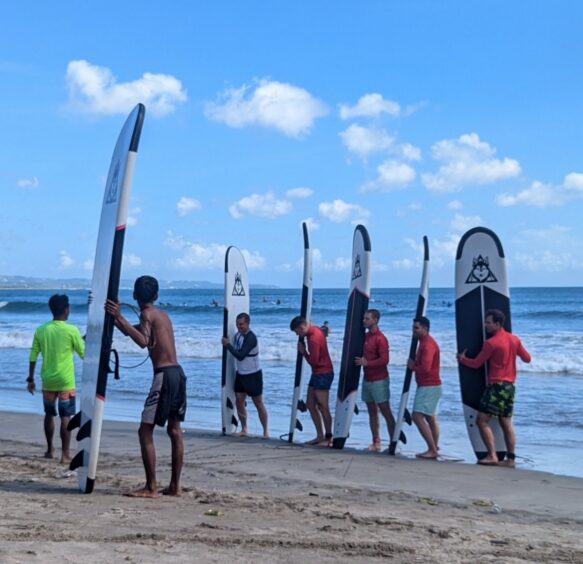
Legian Beach, just north of Kuta Beach, is the closest match to my memories, with warm, inviting water, gentle waves, and mellow beach vendors who supply a steady stream of drinks and souvenirs but are also happy to sit for a moment and chat about the old times. I love watching beginner surf lessons, as gangly newbies experience the thrill of their first wave under the expert guidance of nimble Balinese instructors. In the evening, the sunset, ideally positioned directly opposite the beach, draws crowds nightly. Mid-range hotels exist side by side across the street from the beach, many with rooftop pools and restaurants. Behind the row of beach-front establishments exists a warren of narrow streets with hostels and warung eateries.
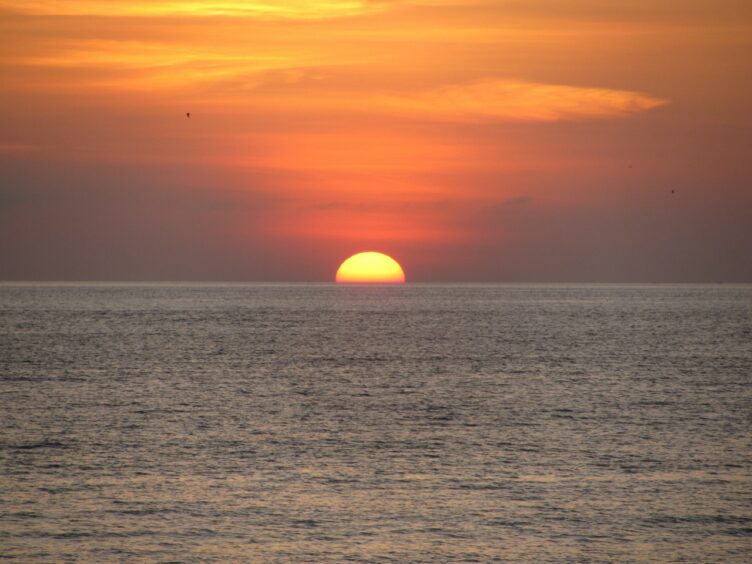
Seminyak is the next beach in the lineup as the beach curves north around the bay, filled with large, upscale resorts with pools and many amenities.
Canggu is the latest area to be developed and is packed with expats, yoga studios, coffee shops and nightclubs. If that’s appealing to you, Canggu might be a good choice.
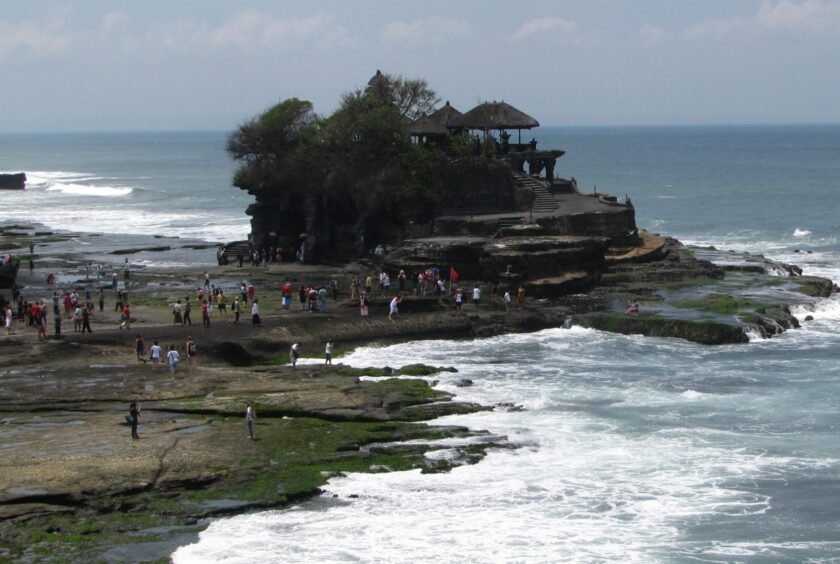
–Tanah Lot, a stunning temple built on a natural rock formation in the sea, is an easy half-day trip north of Legian or Seminyak. It can be paired with the Alas Kedaton monkey forest.
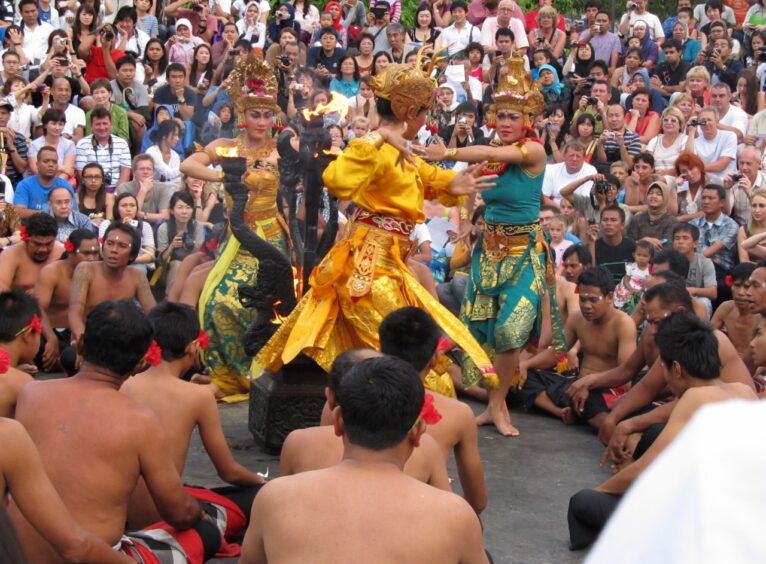
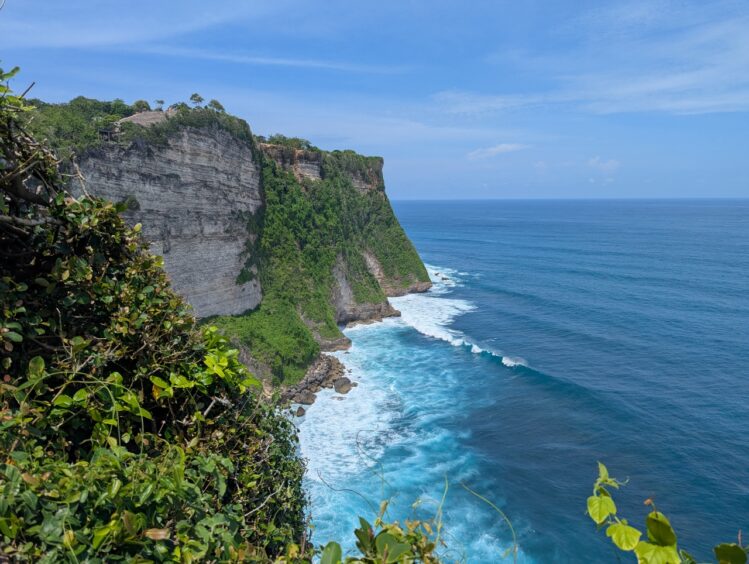
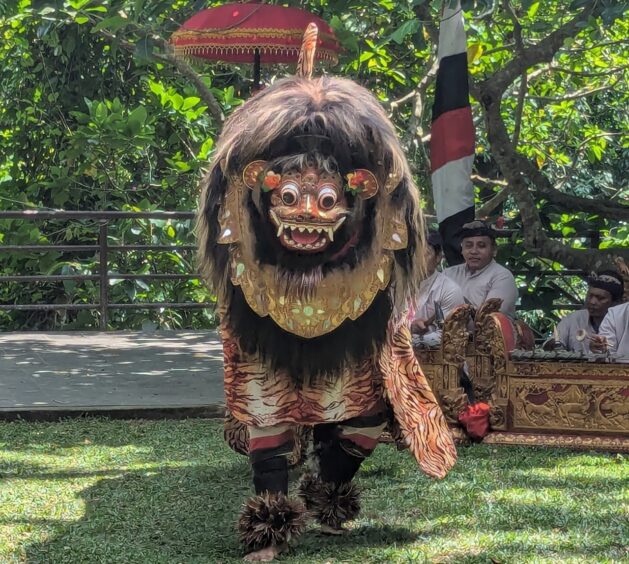
–Uluwatu Temple on the Bukit Peninsula has me conflicted. Something I noticed across Indonesia overall is that it’s getting harder to find traditional dance performances, but tourism in Bali is keeping them alive. That’s reason enough to make the trip. Despite the transportation challenges, the view of the roaring waters of the Indian Ocean crashing into enormous cliffs is stunning. It’s astounding to realize that the next landmass to the south is Antarctica (with Australia lurking to the east). I now recommend Uluwatu only as an evening excursion, timed for the temple and kecak dance at sunset. Against the backdrop of the evening light, it’s captivating.
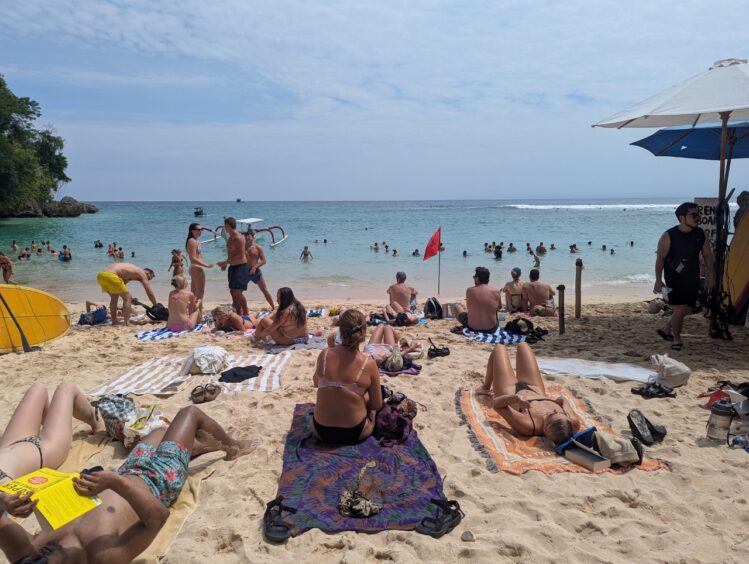
If you’re committed to checking out the beaches on the peninsula, I recommend staying there for a couple of nights. The narrow two-lane roads wind around steep terrain, so it’s a very different feel compared to the thriving tourist hubs around Kuta and Legian.
With the traffic woes, which are real, it’s best to divide the island into regions. While many people want to see it all in a week, no one wants to spend endless hours in gridlock. It’s best to choose a maximum of two areas per week to balance time trapped in the vehicle with time to relax and explore. With that in mind, I can recommend two itineraries: North Bali or East Bali.
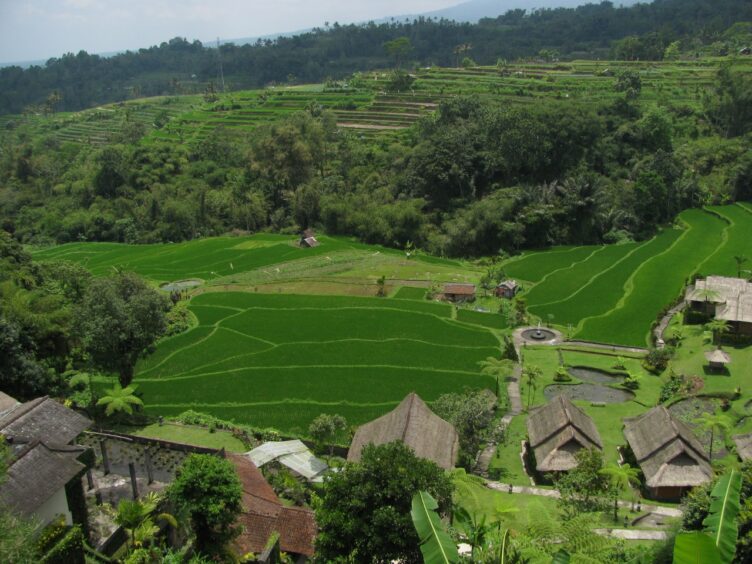
Either provides a good framework for seven days in Bali combined when combined with two days in Kuta/Legian/Seminyak and two days in Ubud. That provides anchors in the two most popular areas with an excursion to see other parts of the island. If you’re staying for two weeks, the two tours can be combined, with an option to extend to the Gili Islands or Lombok.
I recommend getting a local driver and car. I’ve had success in having our hotel arrange for a car and driver. Between the traffic, roads, and Indonesian red tape if you get in an accident, self-driving in a rental car is not recommended, nor are scooter or motorcycle rentals.
This tour traverses the island from south to north with a variety of experiences ranging from dolphin boats to volcanic hot springs. It’s the perfect outing between bases in Legian and Ubud.
Start in Legian or Seminyak and end in Ubud, the cultural nerve center of Bali, with shopping, yoga studios, handicraft villages, and cultural performances.
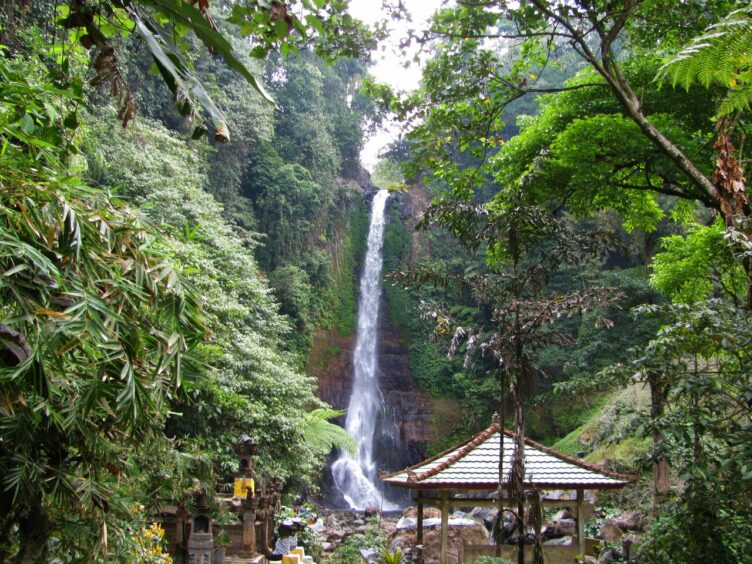
Day 1: Legian/Seminyak → Batukaru coffee plantation on the flanks of Mt. Batukaru → Bedugul/Gitgit waterfall → overnight in Lovina. There is a lot of driving this day, but the next two days are more relaxed.
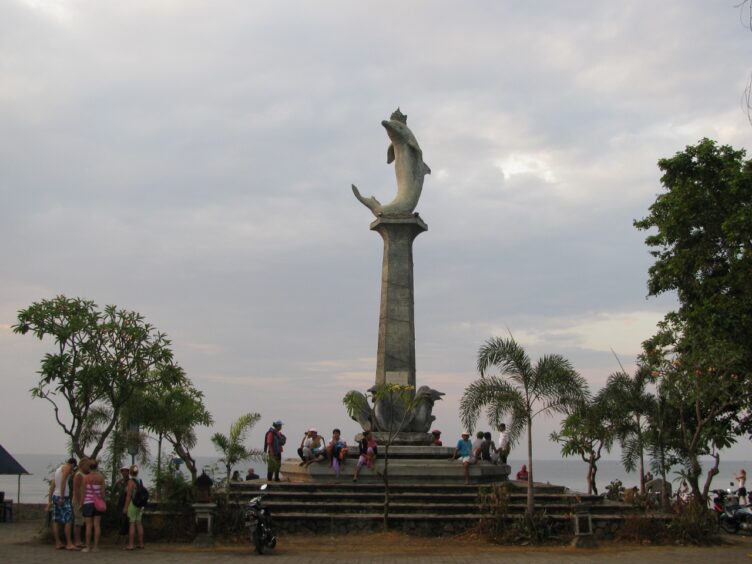
Day 2: Lovina, the town that anchors the north shore → dolphin boat and snorkeling in the Bali Sea in the morning, black sand beach and town in the afternoon, second night in Lovina.
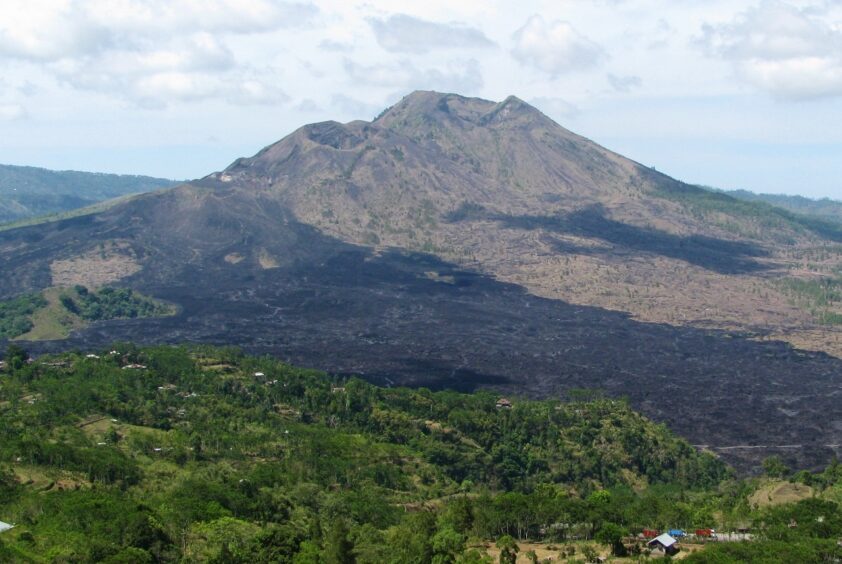
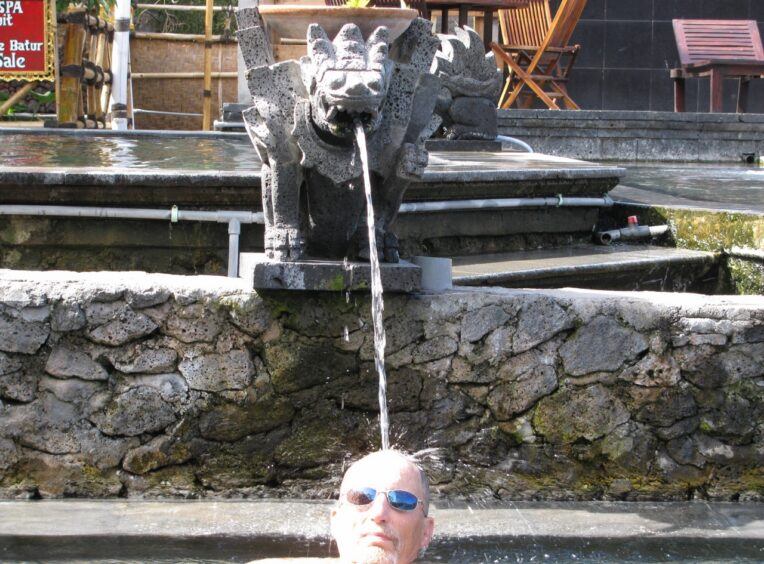
Day 3: Lovina → Kintamani (Mt. Batur volcano-view lunch) → Batur Natural Hot Springs at the base of the volcano → on to Ubud, open-ended. Stay as long as you like.
This tour combines volcanic views and black sand snorkel beaches on the east side and is the perfect launch pad before visiting the Gili Islands or Lombok.
Day 1: Ubud → Sidemen with views of Mt. Agung and rice terraces. Consider a stop at Tenganan (the old Bali Aga traditional village) on the way in. Overnight in Sidemen.
Day 2: Sidemen → Tirta Gangga water palace → possibly Lempuyang (“Gate of Heaven,” though there will be crowds and staged photo queues) → Amed. Overnight in Amed, a quiet fishing village with sunrise views of Mt. Agung. Consider an evening walk on the black sand at sunset.
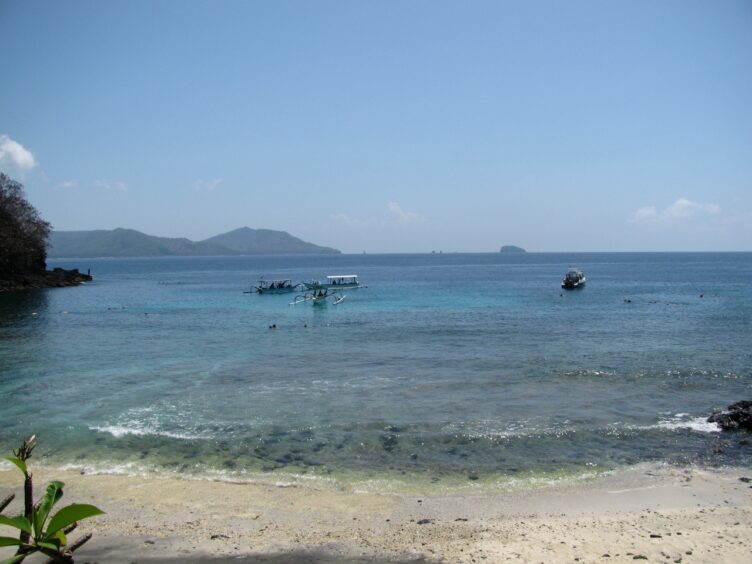
Day 3: Amed — morning snorkel or dive (the sunken Japanese wreck at Tulamben is popular) → stay another night in Amed or drive down the coast to Padang Bai, with good snorkeling at Blue Lagoon Beach.
The loop ends at the Padang Bai Harbor so you can go straight onto the ferry or fast boat to Lombok or the Gilis if you are continuing to other islands. Or you can return to South Bali.
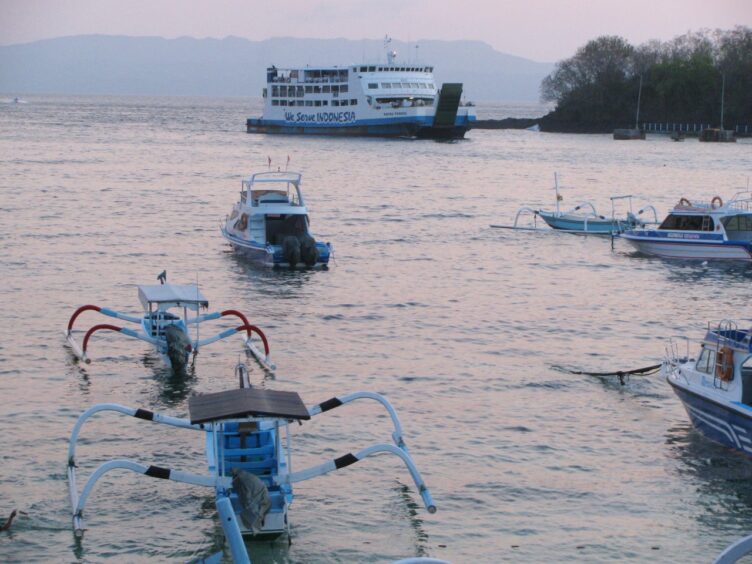
My favorite time to visit is the dry season. Dry season extends from April to September. The months of June-August are the most heavily impacted by the crush of holiday makers, and prices will be higher and popular tourists spots very crowded. Shoulder seasons before and after June-August can be very pleasant.
Monsoon season runs from October to March, which has its pros and cons; the obvious con being that rain can be expected. However, except for December-January, which can be quite rainy, other days in the rainy season might have just an hour or two of rain in the afternoon, with the benefit of significantly fewer tourists, lower prices, and more choices.
There’s another issue associated with the monsoon season. The currents during that time have the unfortunate effect of carrying plastic garbage from neighbor islands to Bali’s beaches between November and March, especially the western beaches on the Bukit Peninsula and Kuta/Legian/Seminyak.

The popularity of Bali has led to significant development of the tourist industry, meaning that every level of accommodation is available, from backpacker budget to luxurious resorts.
The Agoda app is a good place to compare lodging, though Booking.com works as well. Agoda has a stronger Asia focus and often better pricing, but Booking.com often has an edge with flexible cancellation policies.

I prefer mid-range hotels over fancy resorts, and the Tribe Bali Kuta Beach Hotel (an Accor property), turned out to be ideal. Despite the name, it’s in Legian. It’s right across the street from the beach, has a rooftop pool and restaurant, a large spa next door, many convenience stores and ATMs, and is walking distance to the mall in Kuta and a wide variety of restaurants in Seminyak.
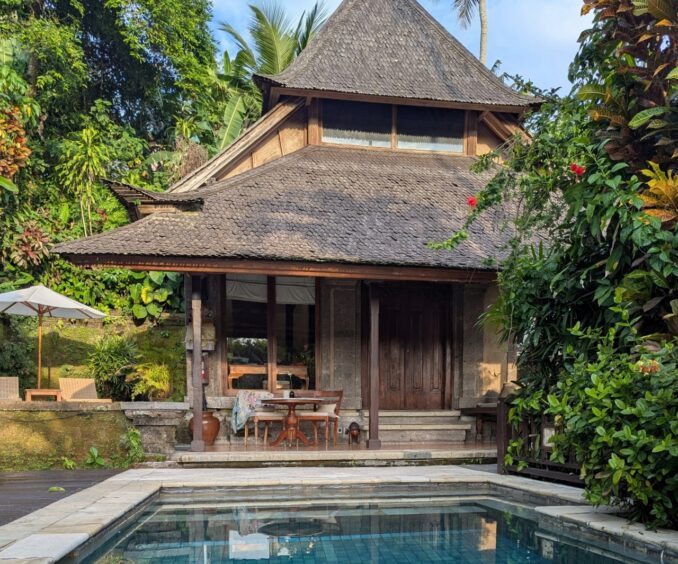
Cindy raved about her villa and private pool at Ibah Ubud in Ubud and I trust her opinion. It looked gorgeous in her photos. If you’re looking for an upscale villa in Ubud, look no further.

We enjoyed both casual meals at warungs and more refined fare in Seminyak.
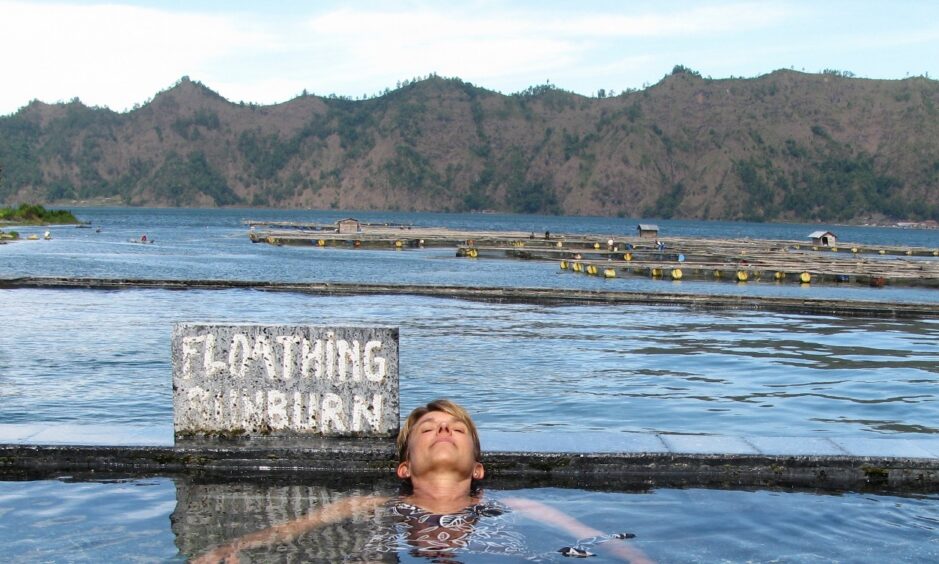
Despite the changes, I still love Bali. As soon as I arrive, I can feel the reset to relaxation mode. Take advantage of the tropical beauty and Balinese spirit and try not to cram too much into your itinerary. A balanced visit will allow time to appreciate what it has to offer.
Read about our adventures in Java, starting with two days in Jakarta. Learning about the history of Java is the perfect set-up for Bali.
 Previous Post